
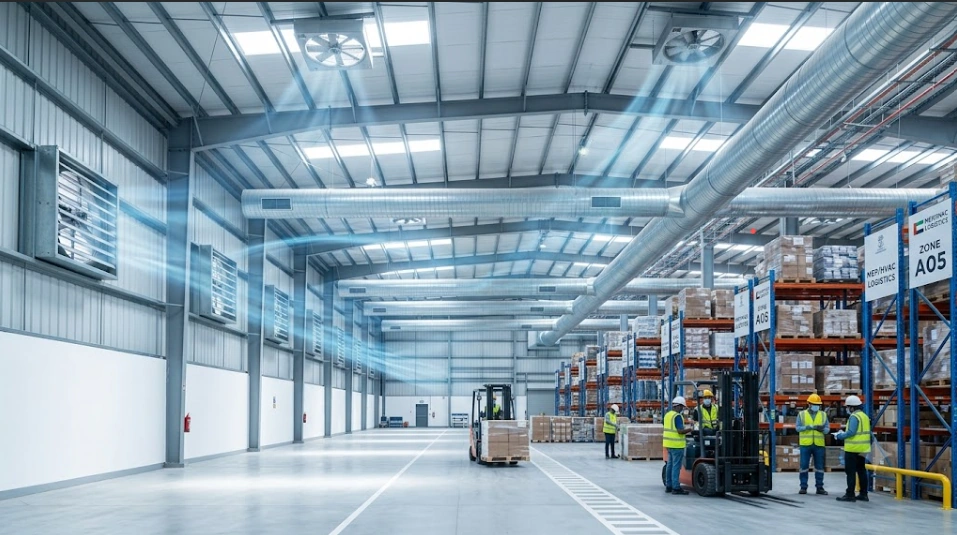
Warehouses are designed to store products, support logistics, and keep business operations running efficiently. However, one aspect that often receives less attention is indoor air quality. Without proper Warehouse Ventilation, even the most organized facility can face challenges such as heat buildup, stale air, dust accumulation, excess humidity, and airborne contaminants. These issues can impact employee comfort, reduce productivity, and even affect stored inventory and equipment.
Whether you manage a distribution center, manufacturing warehouse, logistics hub, or storage facility, investing in effective ventilation is essential for maintaining a safe and productive working environment. Modern Industrial Ventilation Systems are designed to regulate airflow, improve indoor air quality, and create healthier spaces while supporting operational efficiency.
In this guide, we’ll explore the importance of warehouse ventilation, the common challenges warehouses face, and the best practices that help commercial and industrial facilities maintain consistent airflow throughout the year.
Why Warehouse Ventilation Is More Important Than Ever
Warehouses are often large enclosed spaces with limited natural airflow. Daily operations involving machinery, forklifts, packaging materials, and frequent vehicle movement can introduce dust, fumes, and heat into the environment.
Without adequate ventilation, these pollutants remain trapped indoors, leading to uncomfortable working conditions and potential health concerns. Proper Warehouse Ventilation ensures continuous fresh air exchange while removing contaminated air, making the workplace safer and more efficient.
Good ventilation helps businesses:
- Improve employee comfort
- Maintain healthier indoor air quality
- Reduce excessive heat buildup
- Control humidity levels
- Protect stored goods from moisture damage
- Improve equipment performance
- Support compliance with workplace safety standards
Rather than treating ventilation as an afterthought, successful facilities integrate it into their overall building management strategy.
Common Air Quality Challenges Inside Warehouses
Every warehouse operates differently, but many experience similar ventilation-related problems.
Heat Accumulation
High ceilings often trap warm air, especially during summer months or in facilities with heat-generating machinery. Without proper airflow, temperatures continue rising throughout the day.
Dust and Airborne Particles
Packaging materials, pallets, forklifts, production activities, and constant movement create airborne dust that circulates throughout the building.
Fumes and Exhaust
Facilities using forklifts, industrial equipment, or manufacturing processes may produce fumes that require immediate removal through proper exhaust systems.
High Humidity
Moisture entering through loading bays or generated during operations can increase indoor humidity, affecting both products and building materials.
Poor Air Circulation
Stagnant air creates uncomfortable working zones where temperatures vary significantly between different sections of the warehouse.
These issues highlight why effective Warehouse Air Circulation should be considered a critical part of warehouse design.
How Industrial Ventilation Systems Improve Warehouse Performance
Well-designed Industrial Ventilation Systems do much more than simply move air around.
Their primary objective is to continuously replace stale indoor air with fresh outdoor air while removing heat, pollutants, and excess moisture.
A complete industrial ventilation solution typically includes:
Fresh Air Supply
Outdoor air is introduced into the building to replace contaminated indoor air.
Exhaust Air Removal
Hot air, dust, fumes, and airborne contaminants are extracted before they accumulate.
Air Distribution
Proper airflow ensures every corner of the warehouse receives adequate ventilation instead of creating hot or stagnant zones.
Temperature Regulation
Balanced airflow helps reduce heat buildup and improves overall comfort.
Together, these components create a healthier and more stable indoor environment.
The Role of Warehouse Exhaust Fans
One of the most important components of any ventilation system is the installation of efficient Warehouse Exhaust Fans.
These fans remove contaminated indoor air while allowing fresh air to enter the building naturally or mechanically.
Depending on warehouse operations, exhaust fans may be installed:
Roof Mounted Fans
Ideal for removing rising hot air and improving vertical airflow.
Wall-Mounted Fans
Suitable for directing stale air outside while encouraging cross ventilation.
High-Capacity Exhaust Systems
Designed for facilities producing significant heat, fumes, or airborne contaminants.
Zoned Exhaust Solutions
Large warehouses often benefit from multiple exhaust zones that target specific operational areas.
Proper placement of Warehouse Exhaust Fans ensures balanced airflow throughout the entire facility rather than concentrating ventilation in only one section.
Best Practices for Effective Warehouse Ventilation
Creating an efficient ventilation strategy requires more than simply installing large fans.
Assess Building Layout
Every warehouse has unique dimensions, ceiling heights, storage arrangements, and operational processes.
A proper airflow assessment helps determine where ventilation equipment should be positioned for maximum effectiveness.
Match Ventilation to Operations
A logistics warehouse has different ventilation requirements than a manufacturing facility.
Facilities generating dust, smoke, chemicals, or excessive heat require higher air exchange rates than standard storage warehouses.
Selecting ventilation equipment based on actual operational needs ensures better long-term performance.
Improve Warehouse Air Circulation
Proper Warehouse Air Circulation distributes fresh air evenly throughout the facility instead of allowing certain sections to become stagnant.
This is achieved by strategically combining supply fans, exhaust fans, and circulation fans to eliminate dead air zones.
Balanced airflow creates more consistent indoor temperatures across the warehouse.
Consider Seasonal Changes
Outdoor weather directly impacts indoor ventilation requirements.
During hotter months, higher ventilation rates help remove excess heat.
In cooler seasons, ventilation systems should continue maintaining fresh air exchange without unnecessarily increasing heating costs.
Flexible ventilation solutions allow facilities to adapt throughout the year.
Maintain Clear Airflow Paths
Stacking inventory directly against ventilation equipment can block airflow.
Storage layouts should always leave sufficient space around fans, air inlets, and exhaust outlets to maintain unrestricted air movement.
Small layout adjustments can significantly improve ventilation efficiency.
Commercial Ventilation for Different Warehouse Applications
Not every warehouse serves the same purpose, which is why Commercial Ventilation systems should always be tailored to the facility.
Examples include:
Distribution Centers
Require continuous airflow due to high employee activity and frequent loading operations.
Manufacturing Warehouses
Need ventilation capable of removing process heat, dust, and industrial fumes.
Food Storage Facilities
Require humidity control alongside proper ventilation to protect inventory quality.
Automotive Warehouses
Benefit from effective exhaust systems that remove vehicle emissions and maintain fresh indoor air.
Logistics Hubs
Need balanced airflow across large open spaces with constant movement of goods and equipment.
Customized ventilation designs improve efficiency while addressing industry-specific challenges.
Energy Efficiency Without Sacrificing Air Quality
Many facility managers worry that better ventilation automatically means higher operating costs.
Fortunately, modern Industrial Ventilation Systems are designed to deliver strong performance while reducing unnecessary energy consumption.
Energy-efficient practices include:
Variable Speed Controls
Fan speeds automatically adjust according to ventilation demand.
High-Efficiency Motors
Modern motors consume less electricity while maintaining consistent airflow.
Smart Monitoring
Automated controls optimize ventilation schedules based on occupancy, indoor temperatures, or air quality conditions.
Preventive Maintenance
Clean filters, inspect motors, and properly maintain equipment to minimize energy waste and extend system lifespan.
These improvements enable facilities to maintain excellent air quality without incurring significant increases in operational expenses.
Warning Signs Your Warehouse Needs Better Ventilation
Many ventilation issues develop gradually, making them easy to overlook.
Watch for these common indicators:
Persistent Heat
Employees consistently report uncomfortable temperatures even when outdoor conditions are moderate.
Stale Indoor Air
Poor ventilation often creates noticeable odors or stuffy working conditions.
Excessive Dust
Dust settles quickly throughout the warehouse despite regular cleaning.
Condensation
Moisture appears on windows, ceilings, or metal surfaces.
Employee Discomfort
Frequent complaints about headaches, fatigue, or poor air quality may indicate insufficient ventilation.
Addressing these warning signs early helps prevent larger operational problems.
Maintenance Is Just as Important as Installation
Even the best ventilation equipment requires regular maintenance to perform effectively.
A proactive maintenance schedule should include:
Fan Inspection
Check motors, belts, bearings, and electrical connections regularly.
Cleaning Ventilation Components
Dust accumulation reduces airflow and lowers efficiency.
Inspect Air Intakes
Ensure outdoor air inlets remain unobstructed.
Monitor Airflow Performance
Periodic airflow testing identifies declining system performance before major issues develop.
Routine maintenance protects your investment while ensuring consistent ventilation year-round.
Creating a Safer and More Productive Warehouse
Effective Warehouse Ventilation supports much more than indoor comfort. It contributes to employee well-being, operational efficiency, equipment longevity, and inventory protection. By combining properly designed Industrial Ventilation Systems, strategically placed Warehouse Exhaust Fans, and optimized Warehouse Air Circulation, businesses can create work environments that remain comfortable, compliant, and productive throughout every season.
As warehouse operations continue to evolve, ventilation should be viewed as an essential business asset rather than simply another building system.
Conclusion
An efficient warehouse depends on more than organized storage and smooth logistics; it also relies on clean, consistent airflow. A well-planned Warehouse Ventilation system helps reduce heat, control airborne contaminants, improve Warehouse Air Circulation, and create a safer, more comfortable environment for employees while protecting valuable inventory. Investing in the right Industrial Ventilation Systems and Warehouse Exhaust Fans supports long-term operational efficiency and contributes to a healthier workplace.
At Rapid Cool, we provide tailored Commercial Ventilation solutions designed to meet the unique requirements of warehouses, manufacturing facilities, logistics centers, and other industrial environments. From system design and installation to upgrades and ongoing support, our team focuses on delivering reliable ventilation solutions that enhance air quality, improve workplace comfort, and keep your operations running efficiently. Contact our experts today to discuss a ventilation solution that’s built around your facility’s specific needs.